Human activity has driven retreat of Antarctica's fastest glacier
British Antarctic Survey scientists contributed to the first study directly linking the retreat of a major Antarctic glacier to human-caused climate change, marking a pivotal moment in attributing Antarctic ice loss to anthropogenic activity. This research, led by King's College London and published in *The Cryosphere*, confirms that human-driven warming is the primary driver behind the fastest-moving outlet glacier's recession.
More in Science
British Antarctic Survey confirms Antarctica's first dinosaur fossil, 40 years on
The British Antarctic Survey has confirmed the first-ever dinosaur fossil found on Antarctica, identifying a 40-year-old tail vertebra collected from the continent as belonging to a titanosaur, a group of long-necked sauropods that included the largest land animals ever to exist[1].
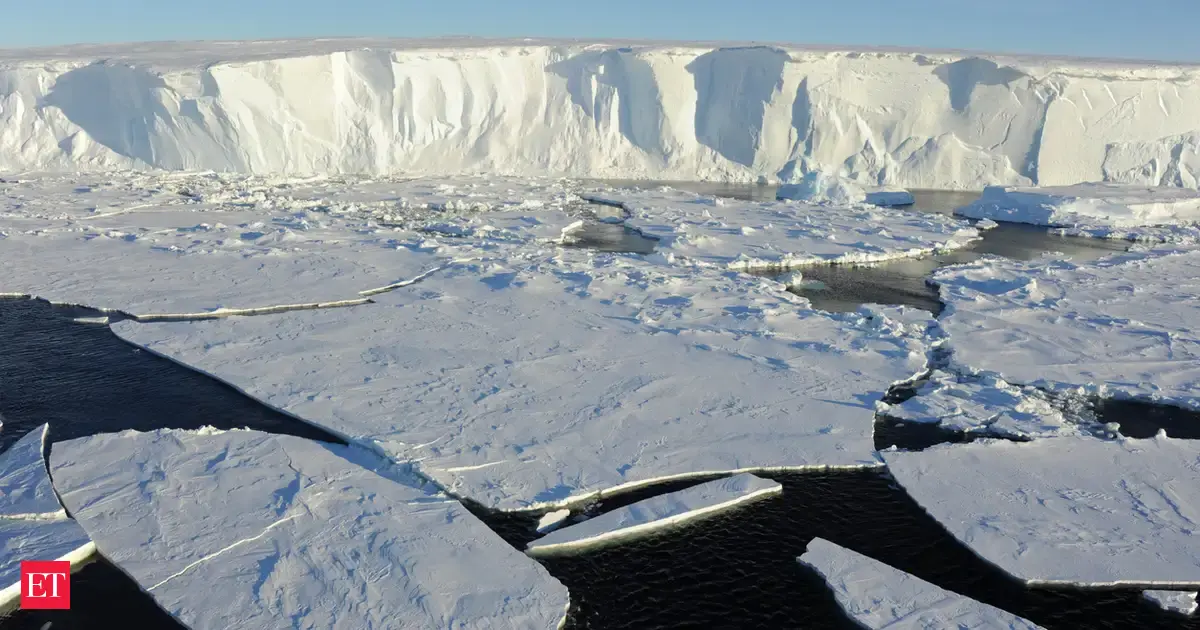
Antarctica missing nearly Argentina-sized sea ice, new study warns of faster global warming
A new study presented by the European Geosciences Union reveals that Antarctica is missing an area of sea ice nearly the size of Texas (approximately 2 million square km) over the Bellingshausen Sea, marking the third-lowest maximum extent on record and suggesting global warming could accelerate faster than current climate models predict due to unforeseen connections between sea ice, cloud cover, and ocean heat absorption[2][4].
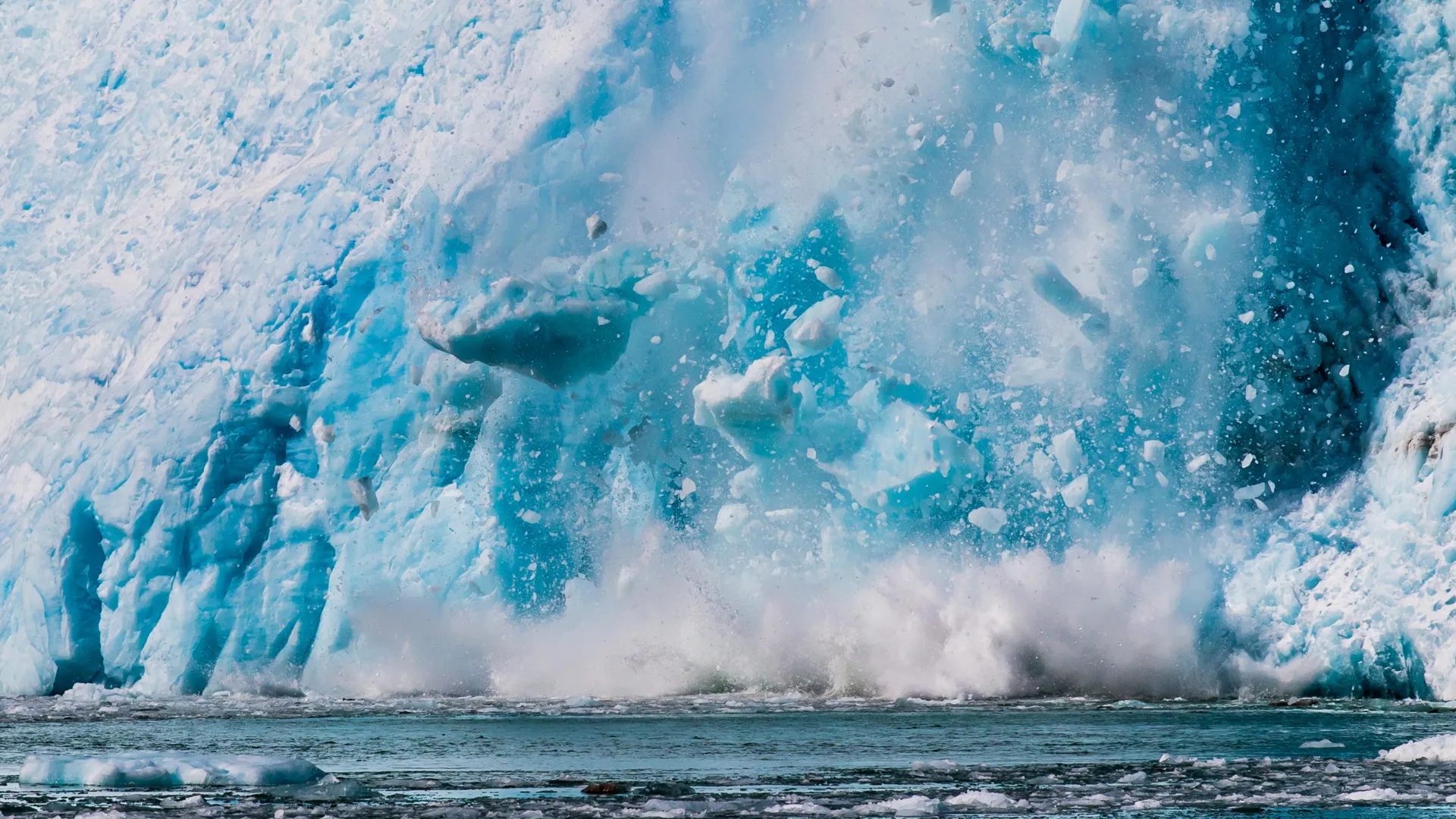
Antarctica just saw the fastest glacier collapse ever recorded
Although the collapse occurred in 2023, a new analysis published in *Nature Geoscience* by the University of Colorado Boulder has been highlighted as the definitive explanation for the fastest glacier collapse ever recorded, where Hektoria Glacier retreated eight kilometers in just two months due to a flat underwater bedrock that allowed it to suddenly float and fracture[5].