Ancient Life Discovered in Antarctica's 'Blood Falls' May Finally Reveal Its Origins
This article discusses a study of Antarctica’s Blood Falls and the ancient marine origin of the brine that feeds it. It frames the discovery as evidence that the subsurface water system preserves an ancient Antarctic environment hidden beneath the glacier.
More in Ancient
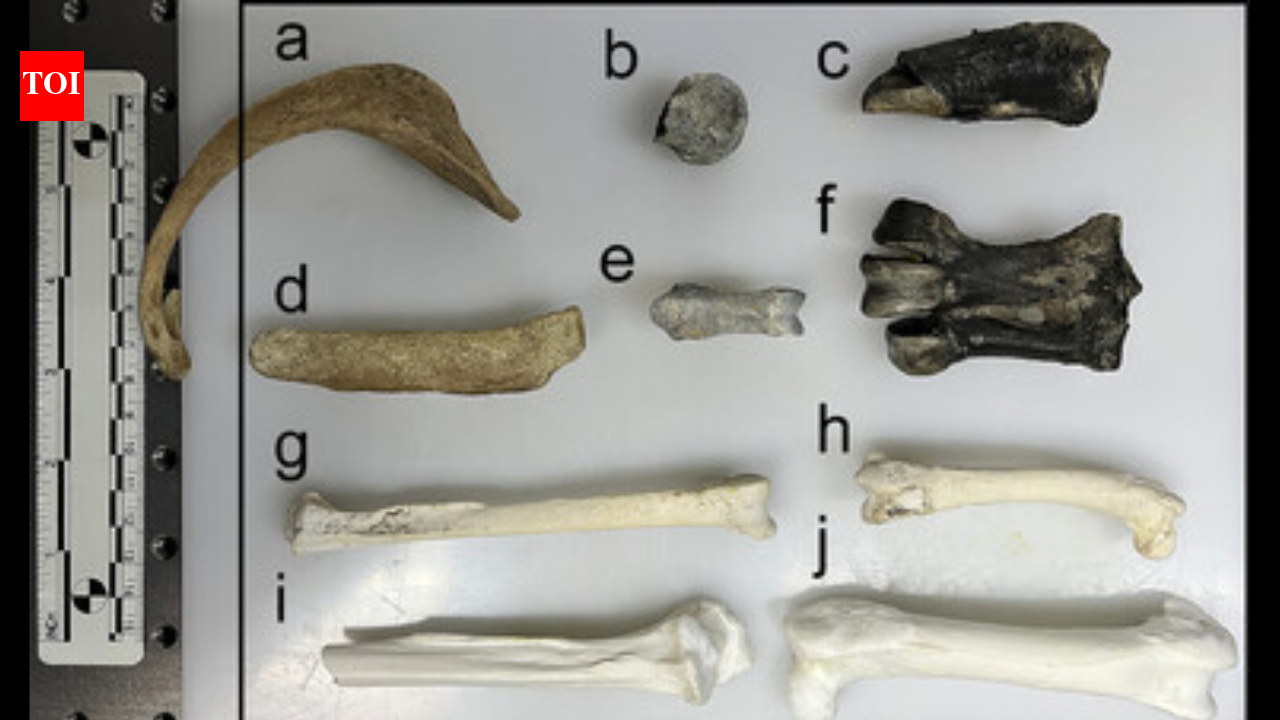
55 million-year-old penguin fossils reveal hidden chemical clues about Antarctica before the continent became frozen
This article looks at 55-million-year-old penguin fossils from Seymour Island and the chemical clues they preserve about Antarctica before it froze. It uses the fossils as a window into Antarctic weathering and climate change during the Eocene, helping reconstruct the continent’s transition from a warmer world to the frozen landscape seen today.
Early world maps
This entry summarizes the Piri Reis map and the long-running controversy over whether it depicts Antarctica or simply extends South America southward. It also notes the mainstream explanation that the southern coastline may have been bent to fit the parchment rather than representing pre-ice-age Antarctica.
Mountain Formation Explains the Antarctic Ice Sheet Mystery
This piece focuses on a geological explanation for how Antarctica’s ice sheet formed, arguing that mountain uplift and tectonic processes helped trigger East Antarctica’s long-term glaciation. It is useful background for readers interested in what Antarctica was like before and during the transition into its frozen state.